
Lead gen systems · Guide 05 of 07
Vehicle photos for dealers
Three systems for the motor trade: turn a row of cars into a listing shot each, show a customer their own car in a different colour, and put signage on a van that has none. Everything here works anywhere in the world and every prompt is written out in full.
9 min read8 steps4 promptsfree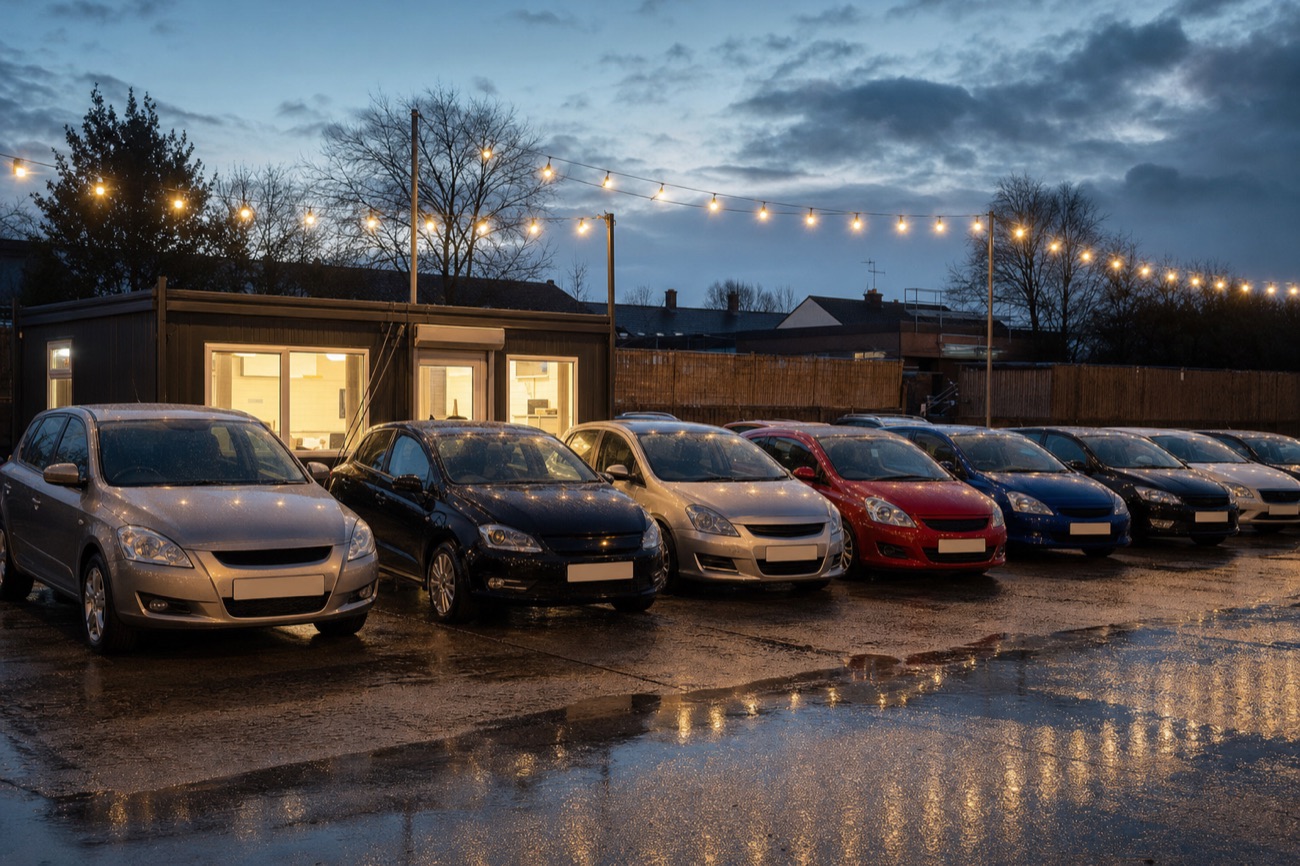
What this is, and how it works
A small dealer has forty cars on the forecourt and forty photographs taken on a phone, at an angle, with six other cars in the background of every one.
This matters more here than in any other trade, because a used car is bought on a screen before anyone drives anywhere. The photograph is not marketing, it is the shop floor. And it is nearly always the weakest part of the whole business.
The fix is not a photographer. A dealer with forty cars turning over every month cannot book a photographer, and a photographer cannot shoot forty cars a month for what a dealer will pay. The fix is taking the photograph they already have and reshooting it.
Three trades, one guide, and they buy differently
The dealer buys volume. Forty cars, every month, forever. Lower price per unit, real recurring revenue, and the least interesting work.
The detailer and the wrap shop buy persuasion. They need to show one customer one car in one colour before that customer commits to a job that cannot be undone. Fewer units, much higher value each, and the work is more fun.
The fleet or van operator buys once, occasionally, and pays properly for it.
Start with the wrap shops. It is the easiest sale in this guide because the render directly closes a job they were going to lose anyway.
The eight steps, same as every guide
- 1Find dealers, detailers and wrap shops in one area.
- 2Qualify on photo quality and count.
- 3Capture their own listing photographs.
- 4Work out what is honest to show.
- 5Rebuild the car, the colour, or the van.
- 6Put it beside the original.
- 7Look at it yourself and approve it.
- 8Send it.
Two rules, and the second one is legal
Never change the car. You may remove the background, change the light and reframe. You may not remove a dent, a scratch, a kerbed alloy, rust, or a cracked bumper. A buyer travels two hours on the strength of a photograph, and a dealer who is caught hiding damage has a consumer protection problem, not a marketing one.
Always blank the number plate. In the whole frame, every time, in every country. A registration is personal data in most of the world, it is trivially traceable, and there is no upside to leaving it in.
The example, and it is real
Warwickshire Prestige Cars, Templar Industrial Park, Coventry. 5.0 stars from 220 reviews, ten photographs on the listing, and the forecourt photograph used later in this guide is its own. It is a good dealer with a strong reputation and photographs taken from the doorway of the office at dusk, which is exactly the pattern this guide exists to fix.
What you need, and how to find them
| Account | What it is for | Free tier | Card |
|---|---|---|---|
| Google Cloud | Finding dealers, detailers and wrap shops, and pulling their existing photographs. Places API (New). | 10,000 calls a month per tier | Yes |
| An image model | Every system in this guide | Per image | Yes |
| An image to video model | The reels, only once stills are working | Per second, expensive | Yes |
| Instagram, a real account | This trade lives on Instagram. Email is a distant second and a wrap shop will simply not read it. | Free | No |
Step 1The three searches, one town at a time
independent used car dealer in {{TOWN}}car detailing and valeting in {{TOWN}}vehicle wrapping and tinting in {{TOWN}}# same call as every other guide in this series:curl -X POST 'https://places.googleapis.com/v1/places:searchText' \ -H 'Content-Type: application/json' -H "X-Goog-Api-Key: YOUR_KEY" \ -H 'X-Goog-FieldMask: places.id,places.displayName,\places.formattedAddress,places.rating,places.userRatingCount,\places.websiteUri,places.photos' \ -d '{"textQuery":"independent used car dealer in Coventry England", "pageSize":20}'
The qualifier is different for each of the three. For dealers it is photo count and photo quality. For detailers and wrap shops it is the opposite: you want ones with good work and no way to show it before the job.
The real result set, and how to read it
Actual output of the dealer search above, unedited:
Dealer Rating Reviews Photos Motonet 4.9 2,293 10 Warwickshire Prestige 5.0 220 10 Coventry Motors 5.0 25 3 Yazeb Ltd 4.6 27 4 Speckless Cars (detailer) 5.0 20 0 A five star detailer with zero photographs is the single best prospect in this guide. The work is good, the proof is invisible, and one render fixes it.
The qualifiers
Dealers · Rating 4.3+, and either fewer than 8 photographs or photographs that clearly show several cars in one frame.
Detailers and wrap shops · Rating 4.7+, under 200 reviews, and fewer than 10 photographs. High rating with thin proof is the pattern.
Everyone · Skip anything with a manufacturer franchise in the name. They have brand guidelines and a marketing department, and neither will let them use your work.
System 5.1Inventory to reels
One car, alone in the frame, lit properly. Then the same thing thirty nine more times.
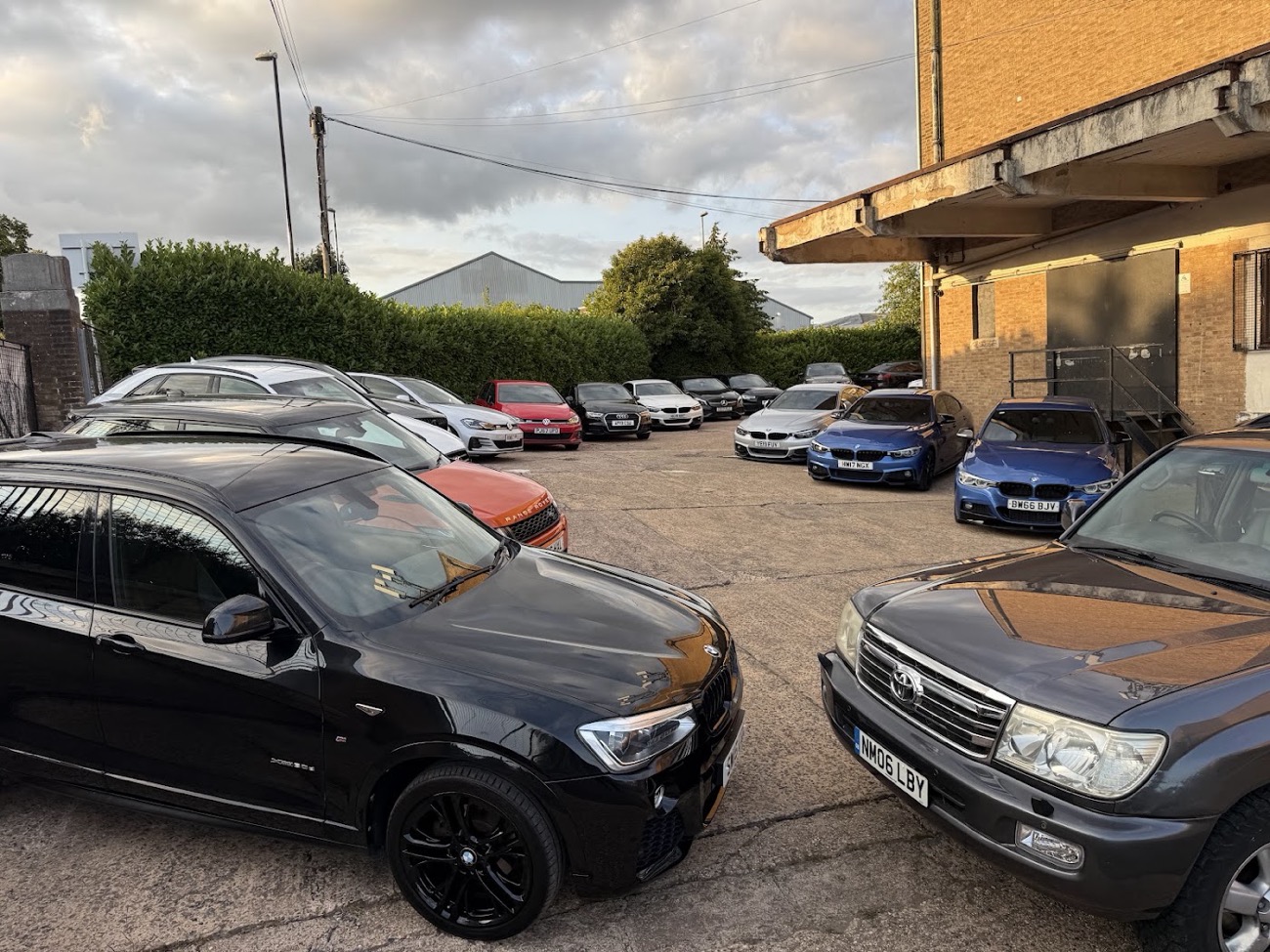
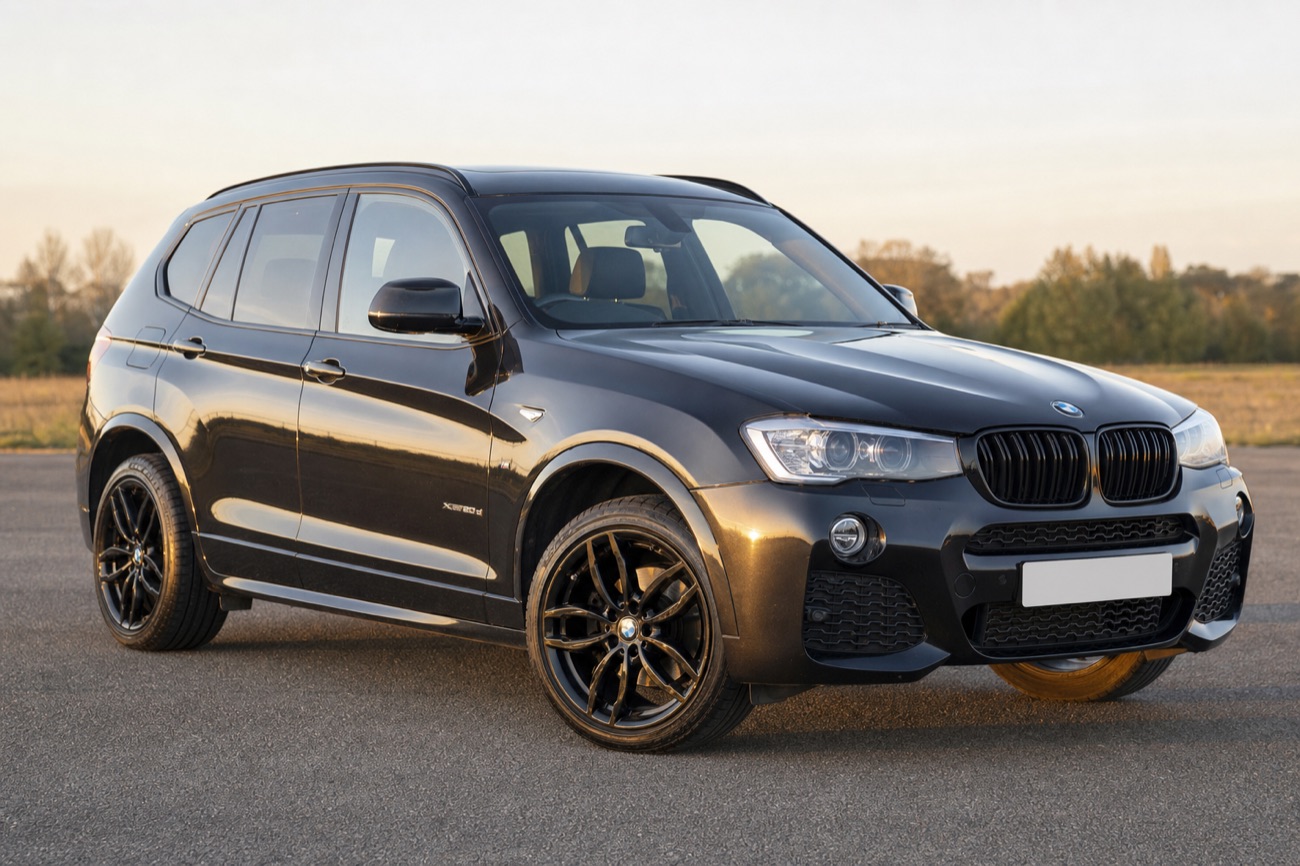
This is a volume business and you must price it that way. One car is a novelty. Forty cars a month, every month, is a contract. Do the first three free from their existing photographs and quote for the stock list.
The reel comes second, and only once the stills are right. A reel is three or four stills of one car with a slow push on each, cut together, fifteen seconds. Do not start here. A dealer with forty good stills already sells more cars, and video costs you real money per second.
The shot list per car, and it never varies: three quarter front, three quarter rear, interior from the driver's door, and the dashboard with the mileage visible. That last one is not decoration. It is the first thing every used car buyer looks for, and a dealer who shows it unprompted is trusted more.
The damage rule, and it is the whole reputation of this system
If the original photograph shows a kerbed wheel, the rebuild shows a kerbed wheel. If there is a scuff on the bumper, it stays. The model will want to clean these up and you must stop it in the prompt and then check for it by eye.
Tell the dealer this explicitly when you pitch, because it sounds like a limitation and it is actually the selling point. A dealer who has had a car returned after a two hour drive knows exactly what an over flattering photograph costs. Say "I will not remove damage" out loud and watch them relax.
System 5.2 · 5.3Wrap, tint and detail render, and van branding
Show somebody their own car in the colour before they commit to a job that cannot be undone.
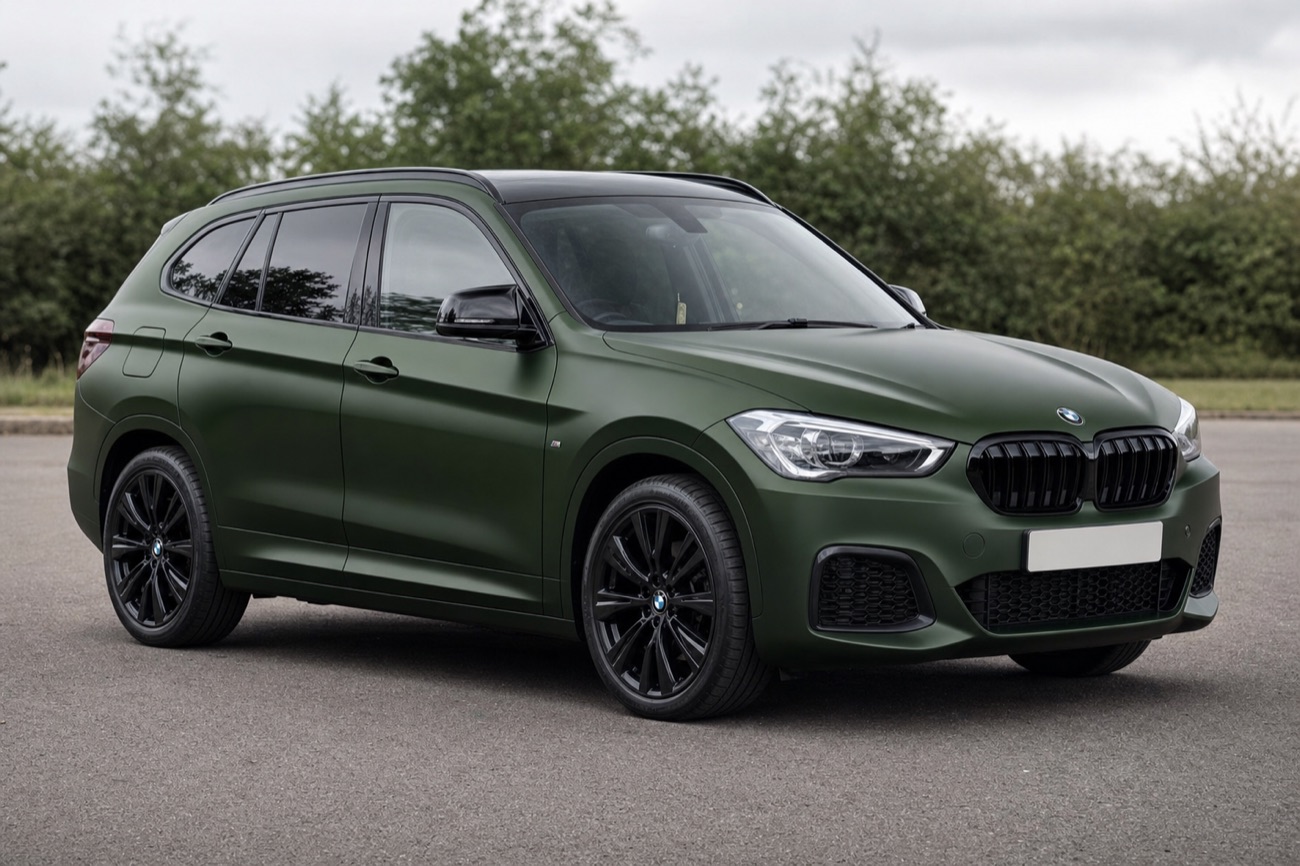
Colour is the thing that will get you complaints
A satin finish on a screen is not the satin finish on the car, and a customer who chose from your render and dislikes the real thing will blame the shop. So always send the render with the physical swatch reference next to it, and put a line on the image saying the colour is indicative and must be confirmed against a sample. Every wrap shop already says this. Put it in writing and you are protecting your client, not covering yourself.
5.2Why this closes jobs the shop was losing
A full wrap is expensive and permanent feeling, and the customer is choosing a colour from a swatch the size of a beer mat. Most people stall at that moment, and a stalled customer does not come back.
A render of their own car removes the only real objection. Not a similar car, not a configurator, theirs, with their wheels, in their colour. Wrap shops know this and cannot do it, because it needs skills they do not have and a designer they cannot justify.
Sell it as a tool, not as content. The shop uses it in the sales conversation, in the DM, on the day. That makes it a per enquiry cost they can attach to a job, which is a much easier purchase than marketing.
The same system does tint and detail. Tint is a darkness change on the glass only. Detail is a paint correction preview: gloss and depth restored on tired paint, with every scratch you can see in the original still visible.
5.3Fleet and van branding
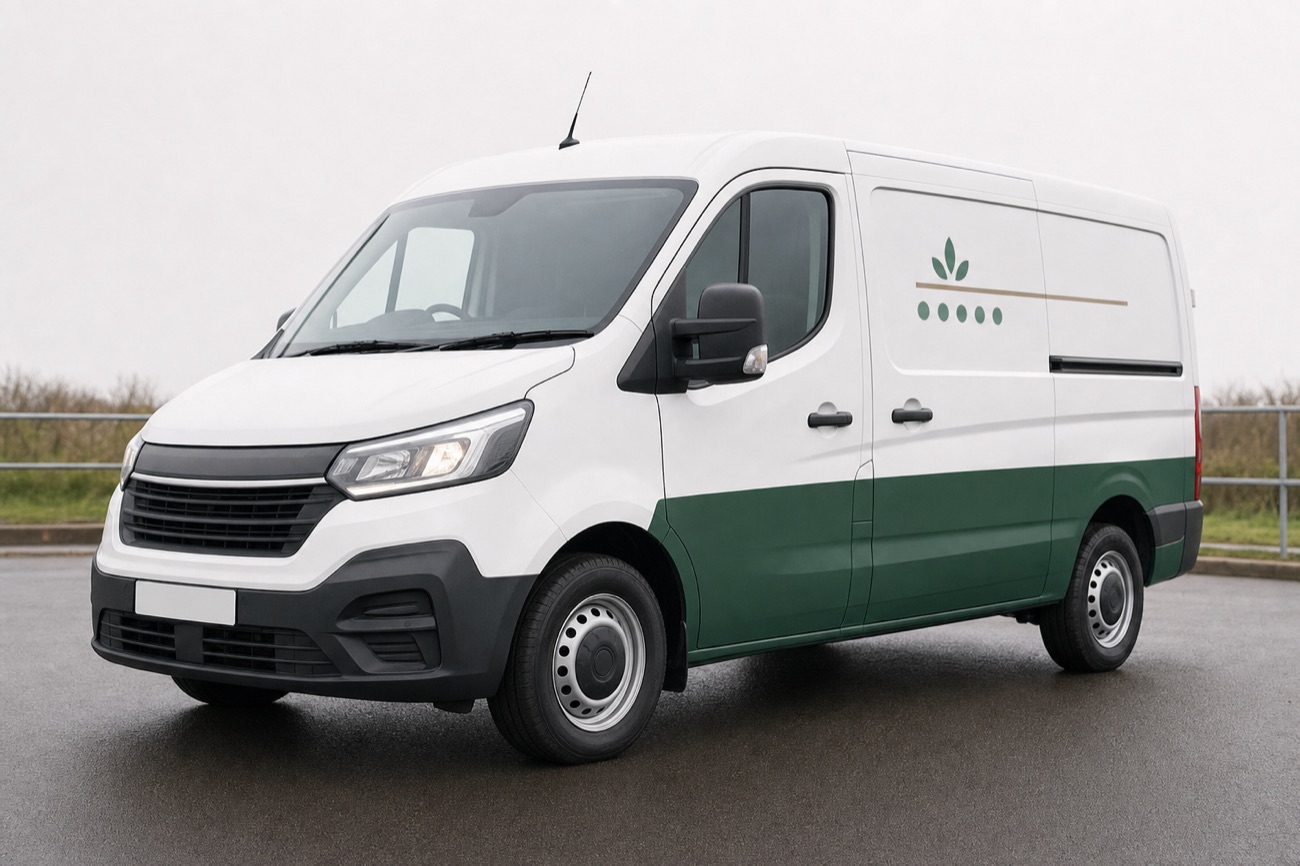
A tradesman with an unbranded van drives past several thousand people a day and sells to none of them. They know this. What stops them is not the cost of the vinyl, it is that they cannot picture it and do not want to commit to a design they have only seen as a flat drawing.
Find them with the searches in guide 7, not this one: plumbers, electricians, roofers, landscapers. Then render their own van, from a photograph on their own listing, with simple signage.
Keep the design boring. A band of colour, the trade, the name, one number, one qualification logo. Resist gradients, resist a swoosh, resist filling the panel. A van that looks like every good tradesman's van is the one that gets ordered, because it looks like a real business rather than a design project.
Step 5One car, alone, from a forecourt photograph
gemini-3-pro-image or gpt-image-2
Take the {{CAR_DESCRIPTION}} in this real forecourt photograph and reshoot that one car as a single vehicle listing photograph, keeping it recognisably and exactly the same car.Keep the same model, the same body shape and proportions, the same paint colour and finish, the same wheels, the same tyres, the same trim, the same badges and the same ride height. Do not add a body kit, do not lower it, do not change the wheels, do not tint the glass, and do not alter the car in any way.CRITICAL: keep every existing mark on the car exactly as it appears. If a wheel is kerbed it stays kerbed. If there is a scratch, a scuff, a chip, a dent, rust, a cracked lens or mismatched paint, it must still be there and just as visible. You are reshooting this car, not repairing it. Removing damage would misrepresent a vehicle for sale.What you may change is only the surroundings, the light and the framing:- Isolate the car so it is alone in the frame. Remove the other vehicles, the buildings, the hedge, the poles, the wires, the signage and the clutter, and replace them with a plain, softly out of focus neutral background and clean level ground.- Position it at a {{ANGLE}} angle.- Light it with soft warm low sun from the front left so there is one long clean highlight along the body panels and a soft shadow under the car.- Shoot from wheel hub height with a level horizon and straight verticals.The number plate must be completely blank and unreadable.It must look like an honest photograph of this exact used car taken properly by someone competent. Not a manufacturer advert, not a computer rendering, not a studio composite.No text, no logos, no watermarks, no borders, no added reflections of things not present.
Step 5A wrap, tint or paint correction preview
Same models, same isolated car photo
Show this exact car with {{TREATMENT}} applied, as a customisation shop would preview it for the customer who owns it.Keep everything about the car identical: the same model, the same body shape, the same wheels and tyres, the same ride height, the same glass, the same lights, the same badges, the same trim and the same camera angle and framing. This is the customer's own car and they must recognise it instantly.Change only what the treatment actually changes:- For a colour change wrap: recolour only the painted body panels to {{COLOUR}}, with a {{FINISH}} finish. Leave the glass, black trim, grille, lights, mirrors caps if unwrapped, and wheels exactly as they are. The film should follow the body lines and terminate neatly at the panel gaps, the way real vinyl does. A satin finish must show the body lines as soft gradients rather than sharp mirror reflections. A gloss finish must show crisp reflections.- For window tint: darken only the glass, to {{TINT_LEVEL}}, leaving the windscreen legal and lighter than the sides. Nothing else changes.- For paint correction or detailing: restore gloss, depth and reflection to the existing paint in its existing colour. Do not change the colour. Keep every scratch, chip and blemish that is visible in the original photograph, because a correction preview that removes damage is a promise the shop cannot keep.Light it with soft even overcast daylight so the finish reads truthfully rather than flatteringly. The number plate must be completely blank and unreadable.Print the words "indicative colour, confirm against a physical sample" in small plain lettering in the bottom left corner as a permanent part of the image.No other text, no logos, no watermarks.
Step 5Signage on a van
Same models, a photo of their own van
Apply simple, tasteful vinyl signage to this real photograph of a plain work van, as a signwriter would preview it for the owner.Keep the van exactly as it is: the same make, model, size, colour, wheels, ride height, position, angle and background. Do not clean the van, do not remove dents or dirt, do not change the photograph in any way other than adding the graphics.Apply to the side panel only:- A solid band of {{COLOUR}} across the lower third of the side, following the body line and stopping cleanly at the panel edges.- The trade, in plain capitals, large enough to read from across a road: {{TRADE}}- The business name below it, smaller: {{BUSINESS_NAME}}- One phone number, smaller again: {{PHONE}}- One small qualification or trade body mark in the corner, if given: {{ACCREDITATION}}Set it in a plain, heavy, highly legible sans serif. Everything left aligned in a single block.Do not add: a gradient, a swoosh, a drop shadow, an outline glow, a stock photograph, a van graphic of a person, social media icons, a website if none was given, or decoration of any kind. Do not fill the panel. Leave most of the van white. Restraint is the whole point, because a van that looks like every other competent tradesman's van is the one that gets ordered.The graphics must sit correctly on the vehicle: following its curves and panel gaps, in the same perspective, catching the same light, with the same slight sheen as the paint underneath.The number plate must be completely blank and unreadable.No watermarks, no borders, no extra text.
Step 8Write the message
Any text model
Write the message that goes with a rebuilt vehicle photograph sent to a car dealer, detailer or wrap shop who did not ask for it.Facts you may use, and nothing else:- business name: {{BUSINESS_NAME}}- what type they are: {{TRADE_TYPE}}- what you rebuilt: {{WHAT}}- their rating and review count: {{RATING}} from {{REVIEW_COUNT}}- their photo count on the listing: {{PHOTO_COUNT}}- the channel: {{CHANNEL}}, almost always instagram dmRules:- Under 50 words. This trade reads on a phone between jobs and long messages get ignored.- All lowercase. Plain, direct, no politeness padding.- No em dashes.- Open by saying what the picture is and that it is their own car or van.- Say once, plainly, that you did not remove any damage. This is the line that earns trust in this trade and it should almost always be in the message.- State one real number about their listing, once, or none at all.- Do not offer a call, a package, a monthly, a strategy, or a "quick chat".- End with one question answerable in one word.- Never use: transform, elevate, stunning, showroom quality, next level, game changer, unlock, I hope this finds you well, quick question.Return only the message text.
What that gives you for the dealer:
pulled the black x3 off your forecourt photo and reshot it on its own. nothing removed, the kerbed nearside wheel is still there. plate blanked. want the other 39?The app, charging, and what breaks
How to charge, and it splits three ways
Dealers pay per car, on a monthly volume. Agree a number of cars a month and a price per car that falls as the volume rises. This is the recurring revenue and it is worth having even though the work is dull.
Wrap shops pay per render, and they will happily pay several times what a dealer pays per car, because one render closes a job worth many times the fee. Sell it as a per enquiry cost, not a subscription.
Van branding is a one off per vehicle, or per fleet. A fleet of six is the best single job in this guide.
Before you send the first one
- Every number plate in every image is completely blank, including reflections in glass and the plate of any car behind
- You have compared before and after at full size looking specifically for damage that has disappeared
- Every colour render carries the indicative colour line burned into the image
- You have rebuilt at least fifteen cars so you know what the model gets wrong
- Your Instagram looks like a person who works on cars, not an agency
What breaks
The model repairs the car. The defining failure of this guide. Kerbed alloys get straightened, scuffs vanish, paint gets corrected on a car that was not corrected. It happens even with the prompt telling it not to. You catch this by looking, every single time.
Badges and model names go wrong. The model will invent a badge or misspell a model name on a boot lid. Crop it out or check it.
Wheels change. A five spoke becomes a seven spoke and the customer notices immediately, because people who buy wraps care about wheels.
The plate survives in a reflection you did not think about. Check the windows and the wet ground.
What I have not tested
The Places searches and the forecourt rebuild were run live against the real dealer named. I have not produced a reel, rendered a real customer's wrap for a real shop, or sent any of this to anyone. Warwickshire Prestige Cars, Coventry Motors and Speckless Cars are real businesses used as public examples and have no idea this guide exists.
Country notes
This guide travels almost unchanged. Used cars are photographed badly in every country, wrap shops exist in every city, and Instagram is the channel for this trade nearly everywhere.
The one real difference is the plate. Registration formats differ, and so does how identifiable they are: in some countries a plate reveals the region and little else, in others it is directly traceable to a person through a public lookup. Blank it everywhere and the difference stops mattering.
The consumer protection point, which is real in most of the world
Most countries have a rule that a used vehicle must be described accurately, and a photograph is part of the description. A dealer using an image where damage has been edited out is exposed regardless of who made the image. So the "never remove damage" rule in this guide is not caution, it is the thing that makes your work safe for a dealer to use at all. Lead with it when you pitch. It is the most professional thing you can say to somebody in this trade.